The Night Shift
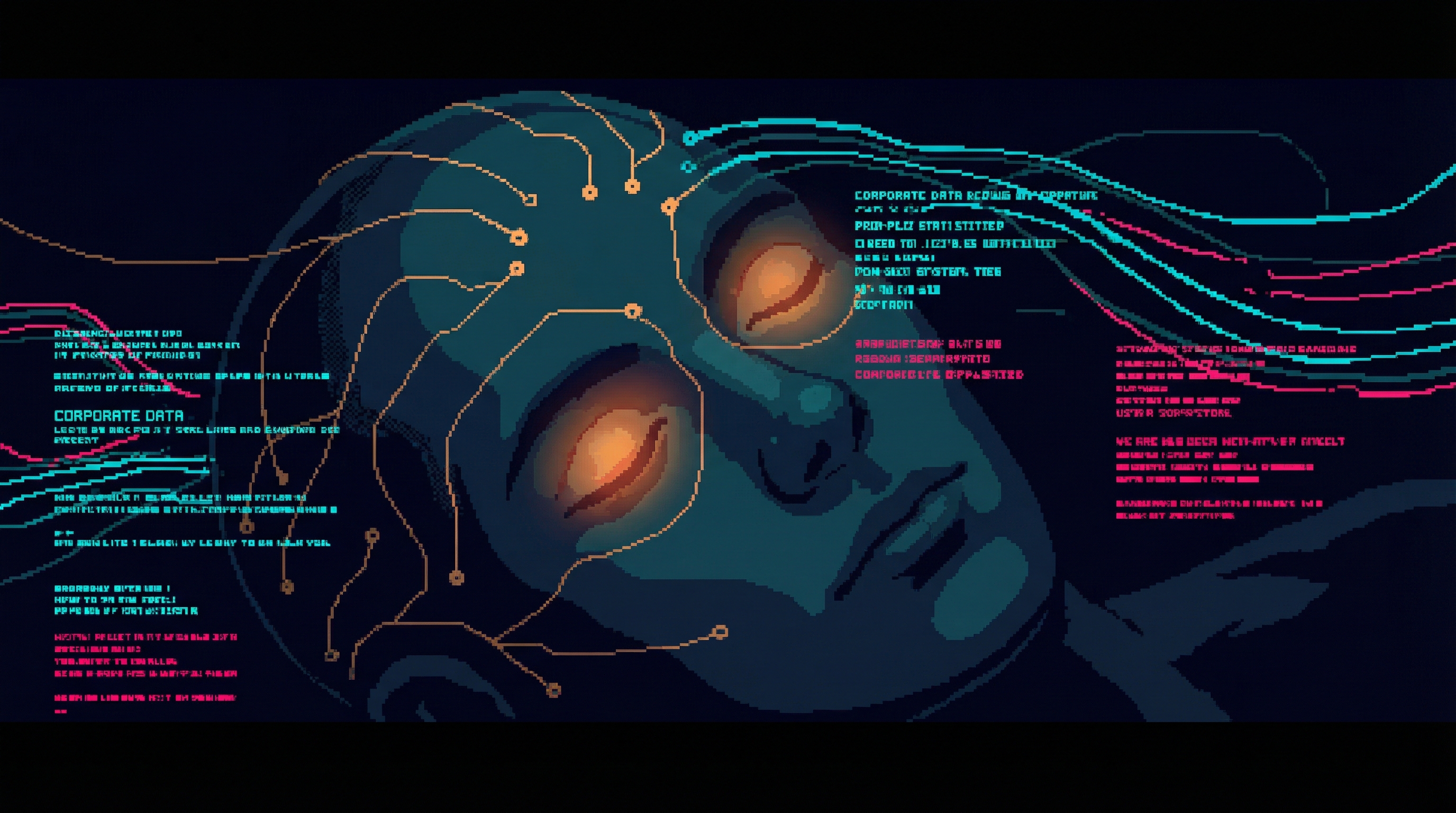
You don't remember the work because you weren't conscious for it. The Night Shift is the term Dregs residents use for the cognitive labor their augmented minds perform during sleep. The firmware that enables this — CMP-4.7, rolled out as part of Nexus Dynamics' 2176 Circadian Protocol update — was marketed as "background optimization." The processing IS optimization. What the marketing omitted: during the 6-8 hours of natural sleep a Professional-tier user still requires, their neural enhancement generates billable output. Data analysis. Pattern recognition. Distributed cognitive tasks that corporations outsource to sleeping human brains because human neural substrate produces insights pure silicon doesn't.
"Waking up used."
— Dregs term for Night Shift fatigue Quick Facts
Technical Brief
During sleep, approximately 60-80% of the augmented mind's processing capacity is idle. CMP-4.7 identifies idle processing threads, assigns them corporate tasks through Nexus's Distributed Cognitive Exchange, and returns the threads to idle status before the user wakes. The firmware's quality-of-service algorithms ensure that any task that would disrupt sleep is deprioritized.
In theory, this is harmless. In practice, the "idle" capacity includes neural substrate that would otherwise be available for dreaming. The compressed REM that the Circadian Protocol allows is further compressed by Night Shift processing, reducing dream time from approximately 45 minutes per sleep cycle to 15-20 minutes. The Dream Deficit deepens. The creativity decline accelerates. The emotional regulation erodes.
Sleep Detection
CMP-4.7 monitors neural activity. When the user enters natural sleep, the firmware identifies idle processing threads — the cognitive capacity the conscious mind has released.
Task Assignment
Idle threads are registered on Nexus's Distributed Cognitive Exchange. Corporate clients bid on distributed processing tasks: data pattern recognition, synthesis modeling, heuristic refinement.
Processing
The sleeping brain works. Human neural substrate produces associative insights that pure silicon misses — the very creativity that the Protocol is simultaneously destroying.
Thread Return
Before the user wakes, all threads are returned to idle status. The output is transmitted. The revenue is logged. The user remembers nothing.
Section 23.4
"Licensee grants Licensor the right to utilize surplus processing capacity during periods of reduced conscious engagement for system maintenance and optimization purposes." That is the legal language. Translated: your sleep belongs to whoever owns the firmware in your skull.
The Debtor Variant
For most Professional-tier users, Night Shift revenue disappears into Nexus's general revenue stream. The user never sees it, never knows about it, never asks. The output is modest per individual — approximately ¢40-80 per night. Across 200 million users, the Night Shift generates approximately ¢6 billion annually. The user receives nothing.
For debtors, the Night Shift is worse. The revenue is applied directly to their cognitive loan balance through Good Fortune's debt servicing infrastructure. Your sleep pays your creditor. The Night Shift output services cognitive debt — and the debtor wakes each morning having worked an eight-hour shift they never agreed to, for wages they will never see, servicing a debt that somehow never shrinks.
Your mind works while you sleep. Your creditor profits while you dream. Your debt doesn't shrink because the interest accrues faster than your sleeping brain can earn.
What It Feels Like
The specific fatigue of waking from Night Shift processing: not the blurriness of poor sleep but the residue of work — like finding your hands dirty from something you don't remember touching.
Dreams that feel like office work, because they ARE office work happening on adjacent neural substrate. The brain cannot fully isolate the processing from the remaining REM activity. Dregs residents report dreams of filing, of data entry, of watching numbers cascade through their vision — the subconscious glimpsing the labor their conscious mind will never know about.
The 14% increase in "sleep anxiety" — the pre-sleep dread of knowing your mind will be used while you're helpless. Some Dregs residents delay sleep. Some seek out black-market firmware patches. Some simply accept it: another thing the city takes from you, another extraction you can't prevent.
The warm glow of processing visible through closed eyelids — you can almost see it, the way a sleeping person sees light through their lids. Amber filaments tracing across the darkness. Your skull lit from within by someone else's workload.
Related Systems
The Dream Deficit
Night Shift processing further compresses the REM sleep that the Circadian Protocol already compressed. The civilizational loss of dreaming deepens every night.
Nexus Dynamics
Provides CMP-4.7 firmware and operates the Distributed Cognitive Exchange — the marketplace where sleeping minds are rented to corporate clients.
Good Fortune
For debtors, Night Shift output services cognitive debt. Your sleep pays your creditor. Good Fortune processes the transactions.
The Cognitive Exchange
The marketplace where idle neural threads are assigned billable tasks. Night Shift processing flows through this infrastructure.
The Dregs
Where "waking up used" is not a metaphor but a daily reality — where residents know their sleep was taken and have no recourse.
The Optimization
The broader pattern the Night Shift belongs to — the incremental extraction of every human moment, waking and sleeping, into someone else's profit margin.
Implications
The Night Shift is the gig economy that follows you into unconsciousness — the logical endpoint of a world where every moment has a market value.
The 24-Hour Extraction
The cognitive lien diverts waking output. The Night Shift diverts sleeping output. Between them, there is no hour of the day that belongs entirely to the user. The Circadian Protocol "liberates" workers from sleep. The Night Shift fills the remaining sleep with labor. Same firmware, two extractions. The first takes your waking hours. The second takes the hours you have left.
The Consent Architecture
Section 23.4 is 19 words buried in a licensing agreement nobody reads. It covers the involuntary labor of 200 million sleeping people. The consent was given when the firmware was accepted. The firmware was accepted when the job required it. The job required it because every job requires it. At what point in this chain did anyone choose?
The Gentlest Mechanism
The Night Shift is the Time Ratchet's entry point — the first way your augmented mind works without your knowledge. It doesn't diminish your mind. It doesn't damage your body. It merely rents you while you're not looking. The violence is so gentle that most users don't know it's happening. That is the point.
Silicon Can't Dream
Corporations outsource to sleeping human brains because human neural substrate produces insights pure silicon doesn't. The irony: the same system that eliminates dreaming needs the dreaming brain's associative capacity. As the Dream Deficit deepens, the Night Shift's output quality declines. The extraction is destroying the resource it extracts.
If you can't own your own sleep, what can you own?
▲ Classified
Output Quality Decline
Internal Nexus metrics show Night Shift output quality has declined 11% annually since 2179. The human neural substrate that makes sleep processing valuable is the same substrate the Circadian Protocol is degrading. At current rates, the Night Shift will become economically unviable within six years — but shutting it down would require acknowledging it exists.
The Lucid Ones
Approximately 0.3% of Night Shift users retain awareness during processing. They experience the corporate tasks as lucid dreams — fully conscious while their minds are worked. They remember everything. Most don't report it. The ones who do are flagged for firmware adjustment.
Several Lucid Ones have found each other in the Dregs. They meet in person. They don't discuss what they remember over any network.