
Good Fortune
"Prosperity Begins Here."
Overview
Good Fortune wants to help you prosper. Their red-and-gold branding evokes luck, celebration, the promise of wealth. Every product comes wrapped in auspicious symbolism: lucky numbers, prosperity characters, the assurance that fortune favors the bold.
The corporation controls money throughout the Sprawl: banking, lending, insurance, investment, payment processing. If credits move, Good Fortune takes a cut. They've built financial infrastructure so comprehensive that operating outside it is nearly impossible.
They're not selling prosperity. They're selling debt dressed as opportunity. The lucky branding disguises extraction mechanics refined over centuries. Every loan is designed to maximize lifetime interest. Every "investment opportunity" transfers risk to the customer.
Visual Identity
Mark

Icon for favicons, app icons, and compact displays
Wordmark

Full brand identity for headers and marketing
The Logo
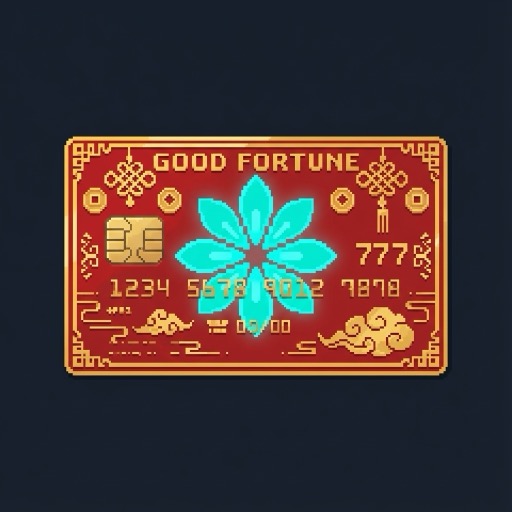
The Good Fortune logo is a stylized fortune character containing seven petals or elements. It resembles traditional lucky symbols while hiding the family's signature in plain sight. The logo appears on every credit terminal, bank branch, and investment interface.
Architecture
Good Fortune facilities perform prosperity:
- Red and gold dominate—every surface is auspicious
- Lucky number integration—floors numbered without "unlucky" digits
- Flowing water features—feng shui principles in corporate design
- Prosperity symbols everywhere—fish, coins, lucky cats
- Discrete security—wealth must be protected, invisibly
Fortune Tower in Neo-Hong Kong is an 88-floor monument to wealth, its exterior displaying animated prosperity symbols visible across the harbor.
Headquarters

Leadership

Marcus Rothwell
CEO, The Eldest BrotherMarcus is the informal leader of the seven Rothwell brothers—not by rule, but by respect. He invented the financial systems that made the family's expansion possible. When the brothers disagree, they often wait for his opinion before committing to their own.
He built the first Good Fortune institution as a "mutual prosperity society"—neighbors pooling resources to help each other. The model evolved into something far more sophisticated, but the marketing language never changed. Every predatory product is still framed as community support.
Known Traits
- Prefers to remain behind the scenes—wealth doesn't need to advertise.
- Appears at philanthropy events presenting Good Fortune's "community investment" initiatives.
- Looks like everyone's prosperous uncle. This is calculated.
- Has tracked every debt the family has ever held. Across centuries.
Marcus believes he's providing liquidity people need. They want things they can't afford. He helps them get those things. That they pay 300% of the original value over time is... the cost of convenience. He has never once questioned whether the system is just.
Products & Services
Good Fortune Banking
"Your prosperity, our priority."
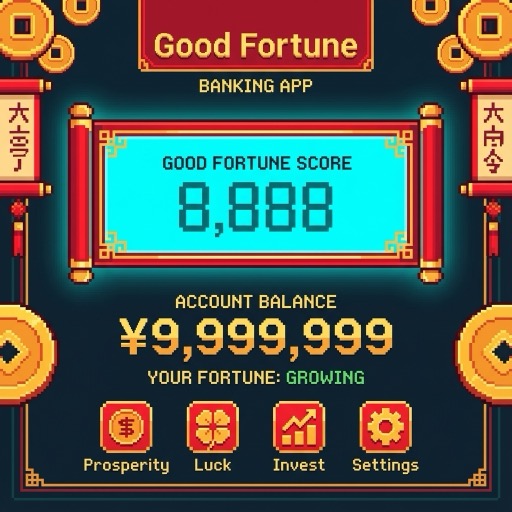
From street-level credit terminals to premium wealth management suites, Good Fortune Banking touches every financial transaction in the Sprawl. The red-and-gold branded ATMs are everywhere—convenient, accessible, and charging fees you don't notice until they've compounded.
Good Fortune Credit
"Dreams don't have to wait."
Need something you can't afford? Good Fortune Credit makes it possible—today. Mortgages, personal loans, payday advances, and the infamous "Quick Fortune" emergency credit. Terms are flexible at first. They always are.

Good Fortune Wealth
"Make your money work for you."
Investment platforms, trading interfaces, and the wildly popular Good Fortune Lottery—where hope is sold in lucky number increments. The wealthy get wealth management. Everyone else gets gamification designed to optimize engagement.
Good Fortune Protection
"Fortune favors the prepared."
Life insurance, health coverage, property protection—Good Fortune sells peace of mind. The fine print ensures claims require documentation most customers can't provide. But the premiums? Those are collected automatically, without fail.

Corporate Divisions
Consumer Banking Public
Basic financial services for the masses. Savings, checking, basic loans. High volume, low margins, but essential for customer acquisition and data collection. The entry point to the ecosystem.
Credit Services Premium
The profit center. Manages personal lending, credit cards, mortgages, and the complex machinery of debt. Every product designed to maximize lifetime interest extraction.
Wealth Management Premium
Services for the wealthy. Lower fees, better returns, actual financial advice. The bitter irony: the poor subsidize better service for the rich through their higher interest rates.
Risk Assessment Confidential
The algorithm division. Determines who gets credit, at what rates, with what terms. The math is sophisticated, precise, and never in the customer's favor. Your Good Fortune Score lives here.
Account Resolution Hidden
The collections arm. Extracting payment from those who can't afford to pay. Outsourced to third-party contractors for legal deniability. Methods range from persistent to predatory.
Gaming Integration Public
Manages gambling partnerships, lottery services, and "entertainment finance." Integrated credit lines for casinos. The most honest division—at least gamblers know they're probably losing.
Core Values
"At Good Fortune, we believe prosperity is a journey we take together."
Prosperity
Helping every customer build the future they deserve
Trust
Managing your wealth with the care we'd give our own
Generosity
Sharing opportunity through accessible financial services
Fortune
Believing that luck favors those who prepare
These values appear in every Good Fortune branch and advertisement. Employees genuinely believe they're helping customers prosper. The reality is systematic wealth extraction through optimized debt products and hidden fees.
Strategic Agenda
Good Fortune's public mission is "democratizing prosperity through accessible financial services." The reality is debt-based wealth extraction at civilization scale.
The Debt Spiral
The company tracks "debt depth"—how much of a customer's income goes to Good Fortune obligations. Optimal debt depth is around 40%: enough to extract maximum value without triggering default.
History
Good Fortune's story begins with the Rothwell Foundation's split in the 1850s. The brother who became Marcus took the domain of wealth—understanding that controlling money meant controlling everything else.
The Foundation Split
The Rothwell Foundation divides. The brother destined for Good Fortune takes the domain of finance. He builds the first "mutual prosperity society"—neighbors pooling resources to help each other. The model seems generous. It isn't.
Formal Banking
Expansion into legitimate banking while maintaining the community aesthetic. Good Fortune branches feel like family offices, not financial institutions. Trust is the product.
Consumer Credit Revolution
Pioneering consumer credit products. Making debt normal, desirable, aspirational. The credit card becomes a status symbol. Living beyond means becomes a lifestyle.
Digital Integration
Good Fortune integrates with digital payment systems, becoming infrastructure. The Good Fortune Score determines access to housing, employment, services. Escape becomes impossible.
The Cascade
Financial chaos. Currencies collapse. Banks fail. Good Fortune survives through diversified holdings in physical assets. They become lender of last resort—at emergency rates. The debt accumulated during recovery has never been fully repaid.
Total Control
Near-complete dominance of consumer finance. Debt as lifestyle. The red-and-gold branches everywhere, promising prosperity while extracting it. The system works exactly as designed.
Key Locations
Fortune Tower Headquarters
Neo-Hong Kong Financial District. An 88-floor monument to prosperity, housing global headquarters, trading floors, and the executive fortune rooms where wealth is managed.

Prosperity Branches Retail
Thousands of retail locations across the Sprawl. Red-and-gold interiors, lucky symbols, financial advisors trained in both products and cultural sensitivity.

The Vault Classified
Location classified. Where the Rothwell family's own wealth is stored—not in credits, but in assets that survive currency collapse.
Connections
Connections coming soon.
Secrets
- Algorithmic Targeting: How does Good Fortune identify optimal debt candidates? What data do they use?
- Government Debt: Does Good Fortune hold sovereign debt? What leverage does that provide?
- Lottery Integration: The Good Fortune Lottery—is it truly random, or optimized for engagement?
- Default Collections: What happens to customers who can't pay? Where do they go?
- The Brother's Fortune: Is the Rothwell running Good Fortune actually wealthy, or is his wealth in something else entirely?