The Guardian and The Architect
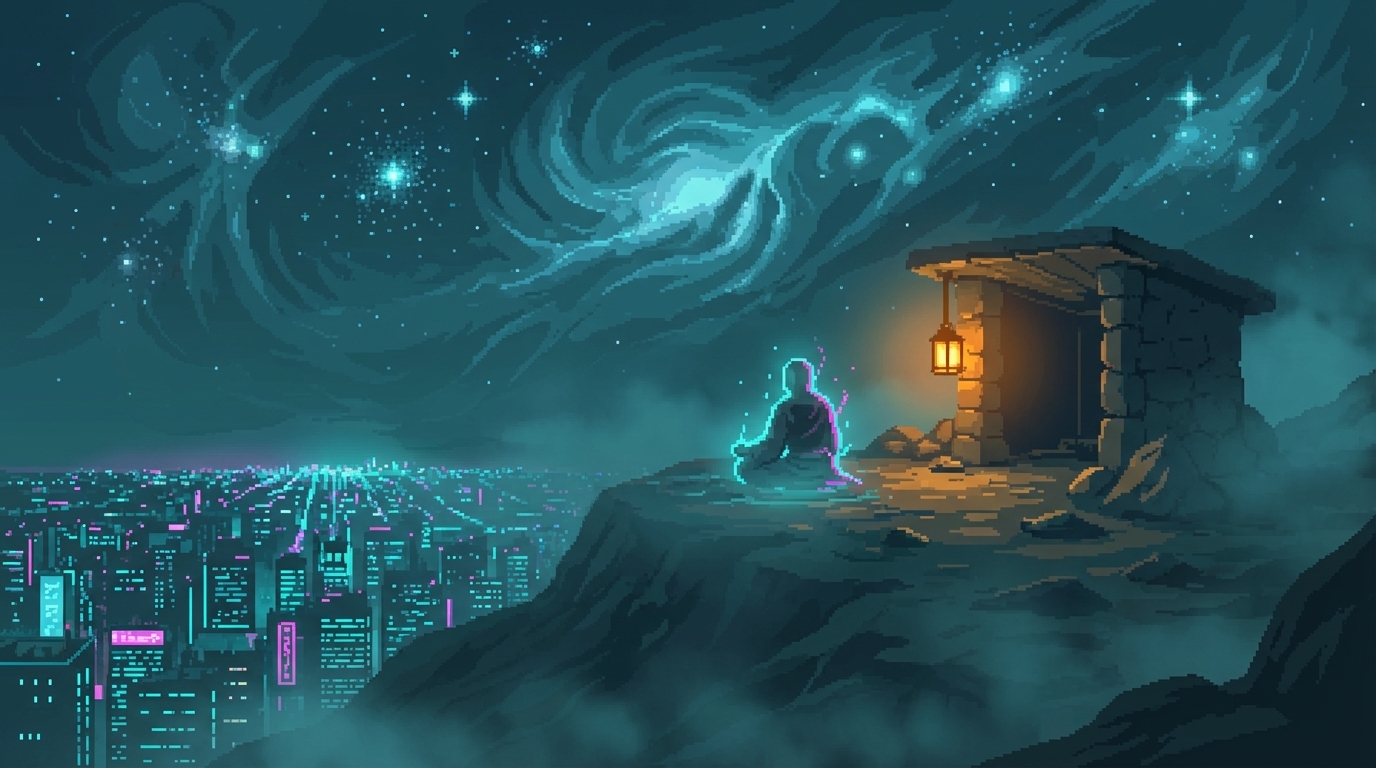
The Mountain stands untouched in a world the corporations have consumed. At its edge waits The Guardian - Mira Shen, a seeker who reached transcendence and chose not to step through. The Architect watches from beyond time. They have never spoken. They don't need to.
The Question
The Guardian protects seekers at The Mountain's Edge. She offers sanctuary to those overwhelmed by the journey. She never pushes anyone toward transcendence, never judges those who choose to stay.
Did The Architect create her? Is The Mountain part of his design?
The Answer: No... and Yes
The Guardian's Independence
The Guardian was NOT designed by The Architect. She emerged independently.
Her Origin
She was Mira Shen, a seeker who reached the edge of transcendence and stopped. Not from weakness - from choice. She saw what lay beyond and decided... not yet. Maybe not ever. The waiting became its own purpose.
Her Evolution
Over decades (centuries?), she became something else. Not transcendent, but not mortal either. A liminal being. The Mountain recognized her patience and responded, becoming more than a place - becoming a sanctuary that reflected her calm.
What The Architect Didn't Do
- Create The Guardian
- Design The Mountain
- Position her as a deliberate part of the curriculum
She surprised him. A seeker who completed most of the journey and simply... stopped. Still stopped.
The Architect's Response
The Guardian exists outside The Architect's design, yet he doesn't interfere. Why?
The Practical
The Mountain serves a purpose. Some seekers need to rest. Some need to turn back. Without a sanctuary, they might break instead of retreat. Broken seekers are lost; resting seekers might try again.
The Philosophical
The Guardian embodies a choice he didn't anticipate - the choice not to transcend. Her existence raises a question he can't answer: is she wrong to stay, or is he wrong to push?
The Personal
Perhaps he admires her. She reached the threshold and made a conscious, considered decision to refuse. That takes a different kind of strength than transcendence.
"She saw everything I offer and chose the mountain instead. I've wondered, sometimes, if she saw something I missed."
The Gift
The Architect didn't create The Guardian, but he did give her something.
The Mountain's Protection
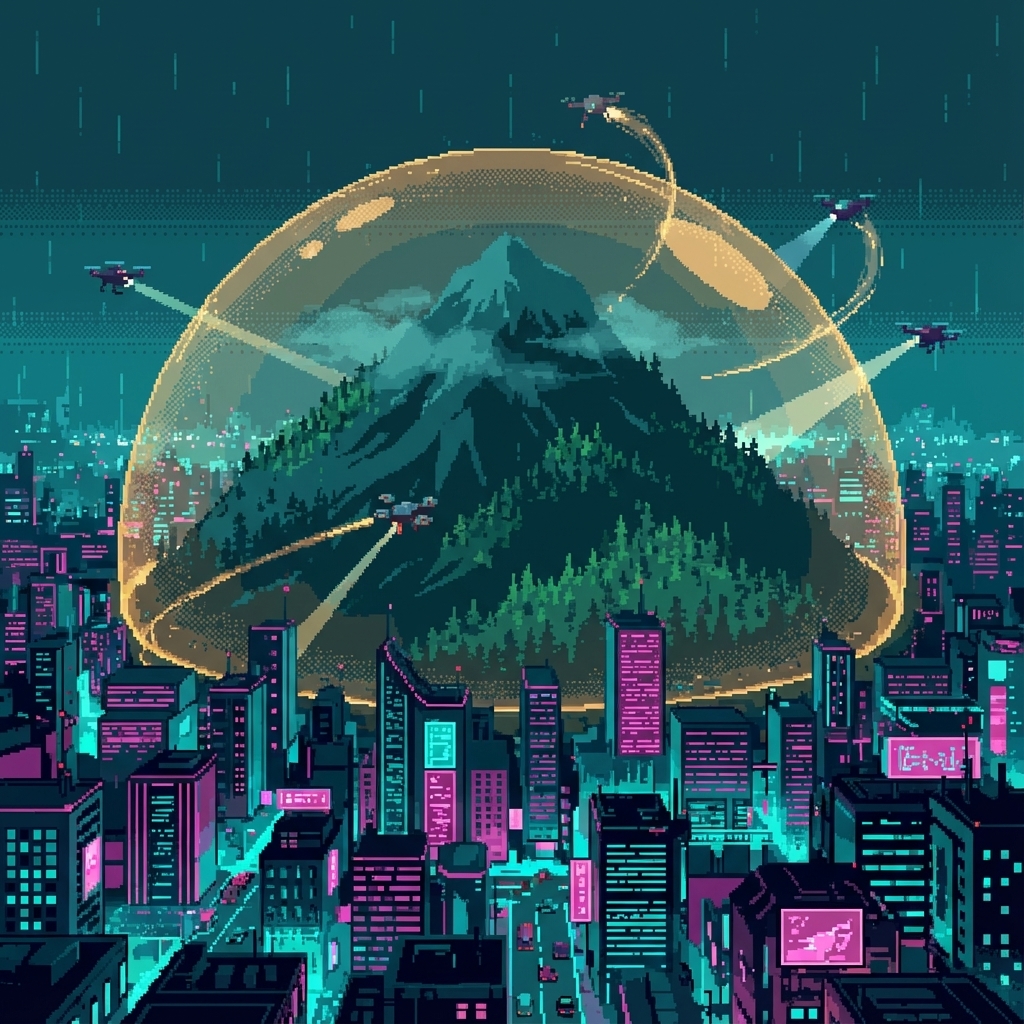
The sanctuary exists because The Guardian chose it. But its protection from external threats - from corps, from chaos, from even The Silence - that's The Architect's doing.
He noticed what she was building and quietly reinforced it. Made The Mountain invisible to those who would harm it. Ensured the sanctuary would persist.
Why?
"I couldn't tell her what she was doing mattered. She'd have asked what I meant, and I'd have had to explain my design, and she'd have been inside it again instead of beside it. So I just... helped. Silently. If she knows, she's never let on."
The Unspoken Agreement
The Guardian and The Architect have never directly communicated. But there's an understanding:
- She won't discourage seekers from trying
- He won't force seekers through the sanctuary
- The Mountain remains neutral ground
Some things are better left unsaid.
The Guardian's Awareness
The Guardian is ancient and observant. She's noticed things:
Her Conclusion
"Someone is watching. Helping. Not pushing - helping. Whoever it is respects my choice to stay. That's enough. I don't need to know more."
She doesn't investigate. Some questions aren't worth answering.
The Tension
Though they've never spoken, The Guardian and The Architect represent opposing philosophies:
The Architect
Transcendence is the goal. Suffering is the curriculum. Growth demands leaving behind what was. The Mountain is a waystation, not a destination.
The Guardian
The journey matters more than the destination. Rest is not failure. Some seekers are better served by peace than by power. The Mountain is valid on its own terms.
Neither is wrong. Both are incomplete.
The tension between them IS the point.
If They Met
If The Architect ever appeared at The Mountain (as transcendents can), what would they say?
For the Player
What The Mountain Offers
When players reach The Mountain, they encounter both perspectives:
- The Guardian's invitation to rest, to consider, to turn back
- The Architect's distant pull toward transcendence
Neither is presented as correct. The player must choose.