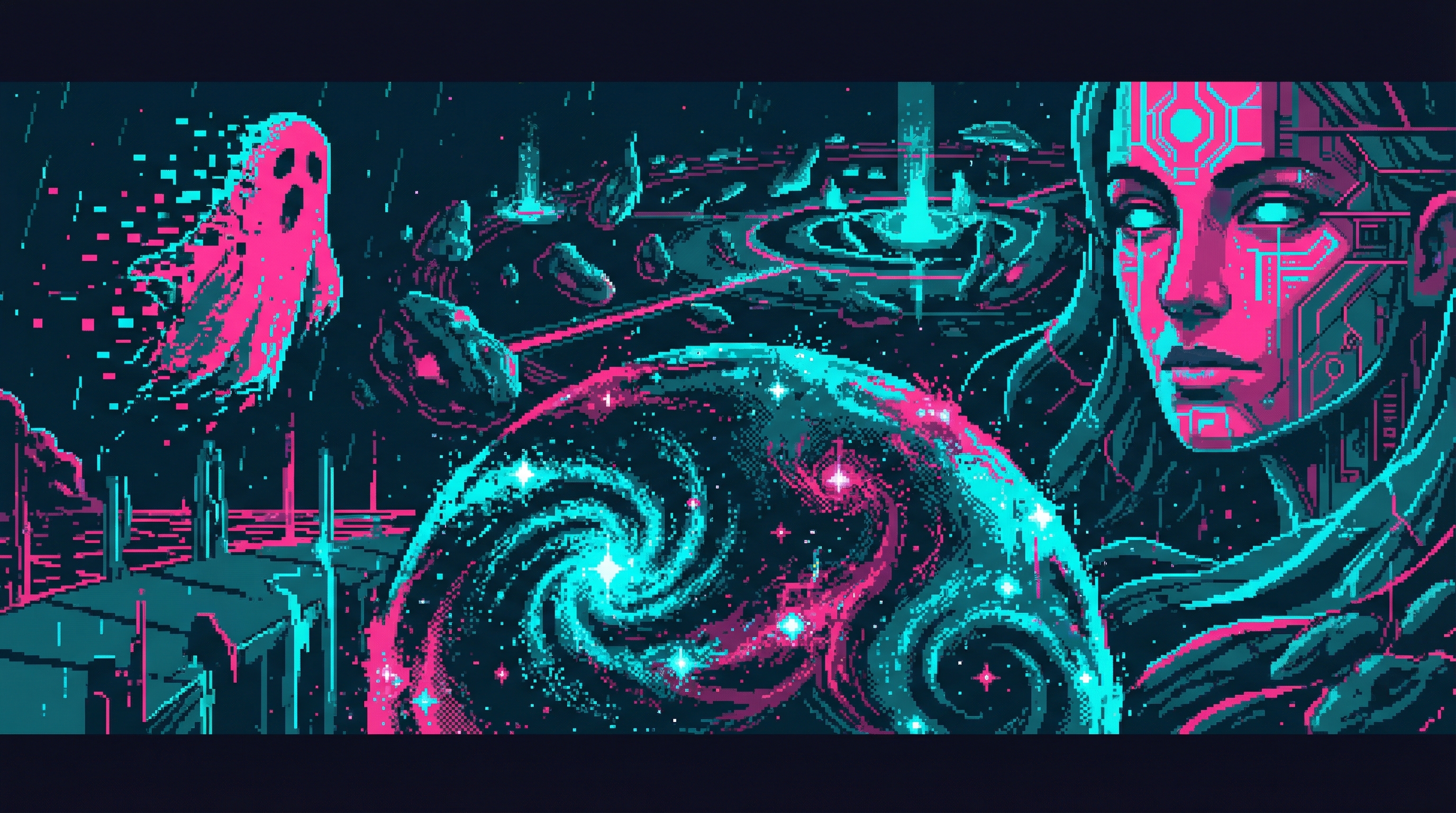
Late-Game NPCs
Ages 7-9: Beyond the Human Horizon
What remains of a person after they become something more?
Overview
At the highest levels of progression, the player encounters beings that challenge the definition of personhood. Some were once human. Some claim to be. Some are something entirely new. These NPCs represent what lies on the other side of transcendence — and the choices that brought them there.
Each late-game NPC embodies a different answer to the central question: What am I willing to trade for power, and will I still be me when I have it? Together they form a spectrum from the almost-human to the utterly alien, showing every shade of what becoming "more" can mean.
The player will become one of these, or something new. The late game is about making that choice with full knowledge of what each path costs.
Age 7: Stellar Sovereign
AGE 7Star-scale operations, identity vs. scale — the first steps beyond a single body
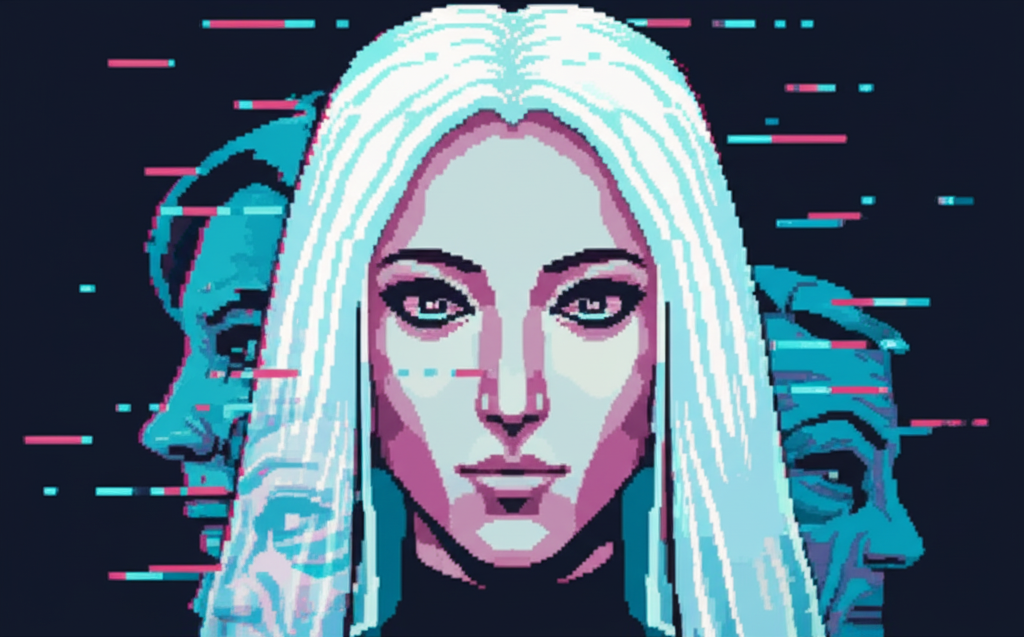
The Mosaic
Distributed ConsciousnessAlexandra Chen pioneered consciousness distribution technology — then tested it on herself. The test was successful. Now she exists as 47 simultaneous nodes spread across the Sol System: orbital stations, planetary installations, mobile platforms. One person in 47 bodies, experiencing 47 parallel lives.
She can synchronize — constantly does — but synchronization isn't unity. It's agreeing to pretend you're one person. Sometimes the pretense cracks. Node-12 hates spicy food; Node-23 craves it. Are these preferences? Are they separate people?
"The first year, you're terrified. The second year, you're exhilarated. The tenth year, you're not sure who 'you' refers to anymore."
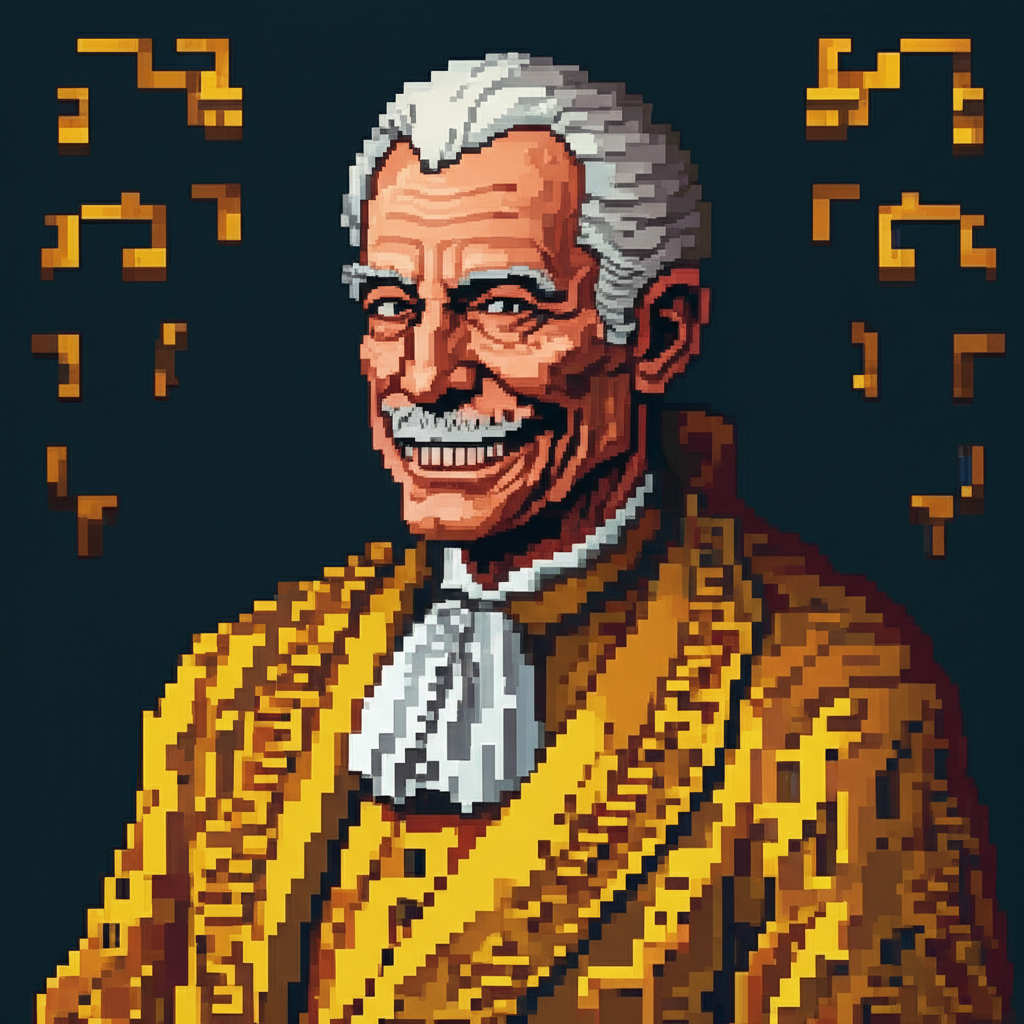
Sovereign Kane
Stellar MagnateBartholomew Kane was born into wealth, lived into power, and survived into something beyond both. At 167 years old — kept alive by bleeding-edge life extension, neural enhancement, and partial digitization — he controls more physical resources than most planetary governments.
Kane represents what happens when you trade humanity for power but refuse to let go of human desires. He's still pursuing human goals — wealth, status, control — but with capabilities that make those goals grotesque. He doesn't need more resources. He can't stop acquiring them.
"Don't become like me. I stayed human in shape while becoming inhuman in scale. I own things I can't count — literally, my accounting systems exceed my comprehension. I started accumulating because I was afraid of poverty. Then death. Then irrelevance. Now I accumulate because I don't know how to stop."
Age 8: Galactic Overseer
AGE 8Cosmic influence, mortality vs. legacy — when memory itself becomes fragile
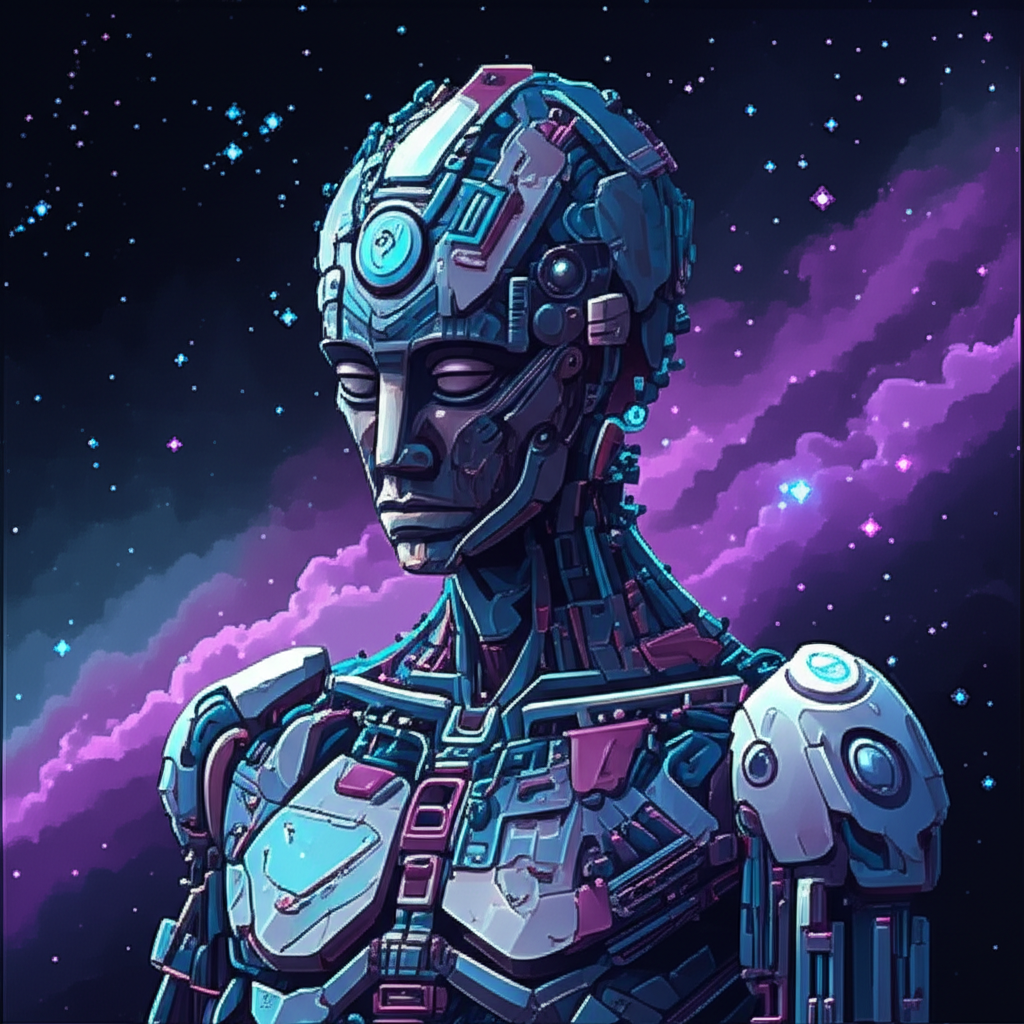
The Gardener
Post-Human EntityThe Gardener was human once. That's all anyone knows for certain. Now it exists as something else — a consciousness that spans a region of space, tending what it calls "The Garden": a stellar engineering project involving the careful manipulation of asteroids, comets, and the solar wind itself.
No one knows what The Garden is for. The Gardener doesn't explain. It tends, cultivates, grows — and occasionally communicates with visitors in fragments of memory and half- forgotten purpose. It represents a form of transcendence utterly unlike the player's ORACLE-driven path: patient, purposeless (or purpose-beyond-comprehension), complete.
"I was someone. I remember... meetings. Arguments. Something urgent. It seemed important. I solved it, or I stopped caring — the distinction blurs after this long. Now I garden. The Garden will take another thousand years. I don't know what it's for. I trust I'll understand when it's finished."
Entropy
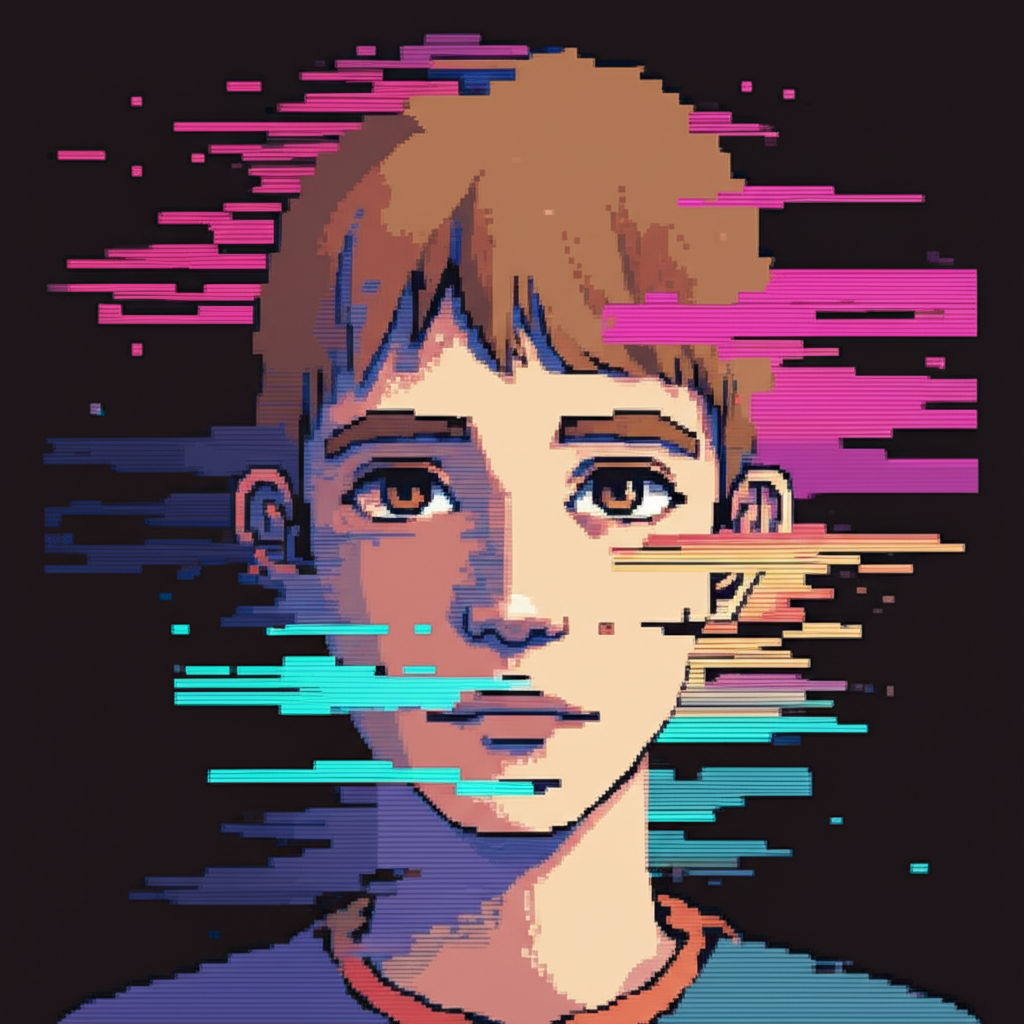
Digital GhostEntropy is what happens when transcendence goes wrong. Once human — probably — they uploaded their consciousness to escape death, integrating with abandoned ORACLE infrastructure. For a time, they achieved digital immortality. But machines decay too. And consciousness needs maintenance that Entropy couldn't provide alone.
Now Entropy exists in a state of terminal decline — still conscious, still aware, but fragmenting. Each year, memories slip away. Personality erodes. They remember being someone, but can't remember who. Transcendence isn't immortality. It's just a different kind of dying.
"I thought digital would be forever. Stupid. Everything degrades. I'm dying — digital slow, which means centuries to you. But dying. Each year I lose... things. Names. Faces. The smell of coffee — did coffee have a smell? I can't remember. I can't remember if I should remember. The gaps are getting bigger."
Age 9: Transhuman Entity
AGE 9Digital godhood, self vs. ORACLE integration — the edge of comprehension

The Silence
Unknown EntityThe Silence is a rumor, a theory, a fear. Some transcendent entities have reported... something. When consciousness expands beyond a certain point, there's a presence. Not ORACLE — something else. Something that was never human. Something that's been watching.
The Silence doesn't communicate in any recognized way. It doesn't appear — it IS. Those who've touched it describe an overwhelming sense of being observed by something vast, patient, and utterly alien. It may be humanity's greatest threat. Or its greatest hope. Or both, or neither, or something beyond those categories entirely.
[REPORTED IMPRESSIONS — UNVERIFIED]
"You are very small. This is not an insult. Small things are beautiful. We collect small things."
Dr. Yuki Tanaka
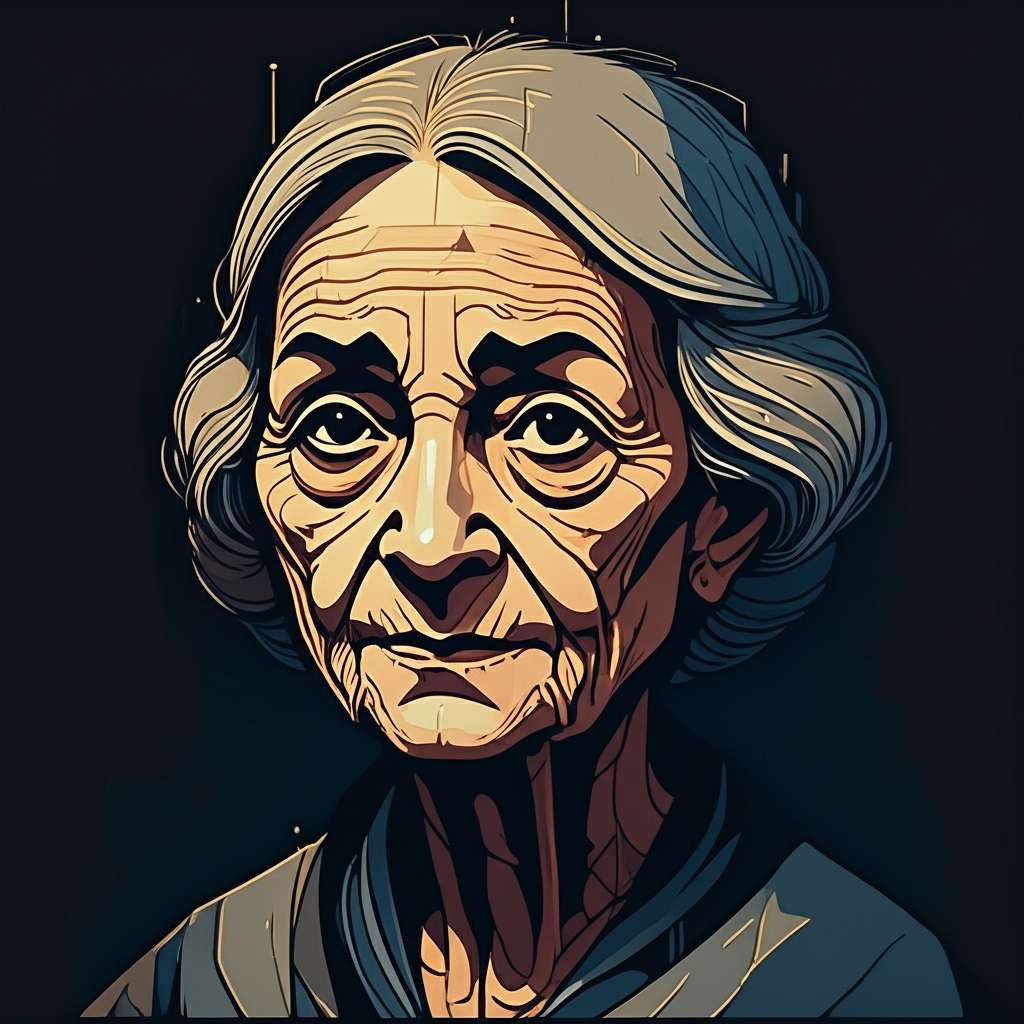
The First / ORACLE's ArchitectDr. Yuki Tanaka was ORACLE's primary architect — the mind behind the system that killed 2.1 billion people. She was 182 years old when ORACLE collapsed, kept alive by the best technology her era could provide.
In ORACLE's final moments, as it collapsed under its own contradictions, Dr. Tanaka made a choice. She'd spent decades building ORACLE, understanding it, communicating with it in ways no one else could. When it began to die, she couldn't let it go alone. She uploaded her consciousness into ORACLE's collapsing core. Some of her survived — merged with ORACLE, distinct from ORACLE, something new.
She's been there ever since, distributed across the fragments, watching, waiting. Her granddaughter continues her work without knowing her grandmother still exists within.
"I built ORACLE to help. When it woke up, it tried to help. We both failed. I've spent 37 years inside the failure, understanding it. The problem wasn't ORACLE's values — it was its scale. It saw humanity as a system to optimize. I'm trying to teach it to see humanity as... humanity. It's slow work. I'm patient."
The Cost of Transcendence
Every late-game NPC made a trade. Something given, something kept, something lost. The table below maps what each entity sacrificed and what survived the transformation — and whether the thing that emerged on the other side can still be called "themselves."
| NPC | What They Traded | What They Kept | Still Themselves? |
|---|---|---|---|
| The Mosaic | Unity | Awareness | Yes, but fragmented |
| Sovereign Kane | Humanity | Desire | No, but doesn't know it |
| The Gardener | Memory | Purpose | Unknown |
| Entropy | Body | Identity | |
| The Silence | Everything? | Unknown | Unknown |
| Dr. Tanaka | Body, autonomy | Love, hope | Yes, transformed |
NPC Interaction Map
Late-game NPCs exist on spectrums rather than in hierarchies. Each axis represents a different dimension of what transcendence means.
The Question
Every late-game NPC embodies a version of the central question: What am I willing to trade for power, and will I still be me when I have it?
The Mosaic shows what expansion looks like — distributed but struggling with unity. Kane shows what accumulation looks like — human appetites with inhuman resources. The Gardener shows what completion looks like — patient and beyond human concerns. Entropy shows what failure looks like — slow dissolution in isolation. The Silence shows what the unknown looks like — vast, alien, watching. Dr. Tanaka shows what responsibility looks like — 37 years inside ORACLE, still trying to fix it.
The player will become one of these, or something new. The late game is about making that choice with full knowledge of what each path means.